
A parking lot is often one of the first things people notice when visiting a business. Cracked pavement, faded lines, and uneven surfaces can create a negative first impression, while a freshly maintained lot signals professionalism and care. Parking lot restriping and resurfacing are two key parts of maintaining the appearance, safety, and functionality of your property. Both processes serve different purposes but work hand in hand to keep your lot in its best condition for years to come.

Property managers, business owners, and facility maintenance professionals understand that upkeep extends beyond interior cleaning and repairs. The exterior of your building reflects how you manage your business as a whole. A well-maintained parking lot communicates organization, safety, and pride in your property.
This article explores why parking lot restriping and resurfacing are essential, how they differ, and the benefits they provide to your business.
Why Parking Lot Maintenance Should Be a Priority
Parking lots take constant wear from vehicles, weather, and foot traffic. Over time, this wear leads to fading paint, cracks, potholes, and drainage problems. Without regular attention, these small issues grow into larger and more expensive repairs.
A neglected parking lot can create safety hazards for drivers and pedestrians alike. Faded striping makes it difficult for drivers to see parking spaces, crosswalks, or directional arrows. Cracked and uneven pavement increases the chance of trips, falls, and tire damage. For businesses, this can result in liability concerns and lost customer trust.

Beyond safety, the condition of your parking lot plays a major role in your property’s curb appeal. The lot is part of the customer experience, even before they walk through your doors. Clean, visible lines and a smooth, dark surface create a positive first impression that sets the tone for what customers expect inside.
Maintaining your parking lot also protects your investment. Asphalt is durable, but like any surface, it breaks down over time. Regular restriping and resurfacing extend its life and help you avoid the higher cost of full replacement.
📌 Learn More: Pothole Repairs Made Easy: Protect Your Parking Lot and Your People
Understanding Parking Lot Restriping
Parking lot restriping refers to repainting the lines and markings that guide vehicles and pedestrians throughout your lot. This includes parking stalls, handicap spaces, directional arrows, fire lanes, loading zones, and crosswalks.

Restriping is one of the most cost-effective ways to refresh your lot. It improves safety, organization, and the overall look of your property. Over time, paint fades due to UV exposure, rain, and snow. When lines start to disappear or become unclear, it’s time to restripe.
Signs your parking lot needs restriping include:
- Faded or missing lines that are hard to see, especially at night or in rain.
- Drivers parking unevenly or outside of intended spaces.
- Confusion about traffic flow or exit routes.
- Faded ADA markings or fire lanes that may lead to non-compliance.
Restriping should be done roughly every 12 to 24 months, depending on weather conditions and traffic volume. In areas with heavy use or harsh winters, more frequent restriping may be necessary.
When restriping, it’s important to ensure that your parking lot markings comply with local codes and the Americans with Disabilities Act (ADA). Properly marked handicap spaces and access aisles are required for accessibility and can prevent potential fines or violations.
📌 Learn More: Accessible Parking Spaces
Benefits of Parking Lot Restriping
Parking lot restriping has several benefits beyond a fresh coat of paint. It plays a critical role in safety, efficiency, and the overall customer experience.
1. Improved Safety
Clear, visible lines help guide drivers and pedestrians safely throughout your property. Markings indicate where to park, stop, and yield, reducing confusion and accidents. Well-defined crosswalks also help protect pedestrians moving between the lot and your building.
2. Better Organization and Traffic Flow
A good parking layout maximizes available space and ensures smooth movement of vehicles. Restriping gives you a chance to reassess your layout and make improvements, such as adjusting traffic flow or adding directional arrows.
3. Compliance with Regulations
Fresh, accurate markings ensure compliance with ADA requirements and local safety codes. This includes clearly labeled handicap spaces, proper signage, and fire lane access.
4. Enhanced Property Appearance
Faded lines make even a well-maintained lot look neglected. Fresh striping creates a clean, professional appearance that enhances the overall image of your property.
5. Reduced Liability
Properly marked lots reduce the risk of accidents and potential legal claims related to unclear markings or unsafe conditions.
Understanding Parking Lot Resurfacing
While restriping focuses on line markings, resurfacing addresses the pavement itself. Parking lot resurfacing involves applying a new layer of asphalt over the existing surface to restore strength, smoothness, and appearance. It is a middle-ground solution between patching and full replacement.
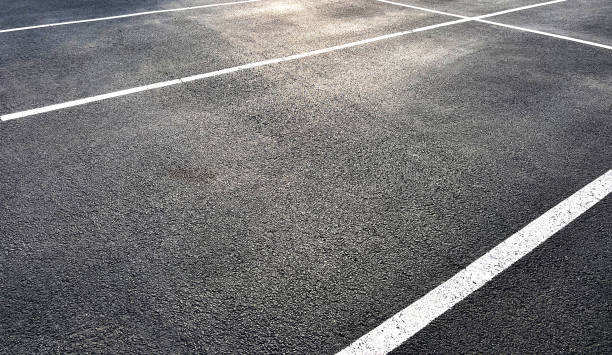
Over time, exposure to the elements causes asphalt to crack, oxidize, and deteriorate. When left untreated, small cracks allow water to seep beneath the surface, leading to larger structural damage. Resurfacing prevents this progression and extends the life of the lot.
Common signs that your parking lot may need resurfacing include:
- Numerous cracks or alligator cracking (a pattern resembling scales).
- Standing water after rain, indicating poor drainage or depressions.
- Loose gravel or crumbling areas.
- Rough or uneven surfaces that make driving uncomfortable.
Resurfacing involves several key steps:
- Cleaning the lot to remove debris and loose materials.
- Repairing cracks or damaged areas.
- Applying a tack coat to help the new asphalt bond.
- Laying down a new layer of hot asphalt mix.
- Compacting the surface for a smooth, even finish.
The process typically adds 8 to 15 years of life to your parking lot, depending on traffic volume and ongoing maintenance.
Benefits of Parking Lot Resurfacing
Resurfacing your parking lot is a proactive investment in the long-term health of your property. Here are some key benefits:
1. Extended Lifespan
Adding a new surface layer strengthens the existing pavement and prevents deeper deterioration. This postpones the need for a full reconstruction, which can be much more costly.
2. Improved Appearance
A newly resurfaced parking lot instantly enhances curb appeal. The fresh, smooth blacktop provides a clean and professional look that complements your building.
3. Better Performance
Resurfacing eliminates uneven spots, potholes, and cracks, creating a safer and more comfortable surface for drivers and pedestrians.
4. Cost Savings
Although resurfacing is an investment, it costs significantly less than replacing the entire lot. Routine resurfacing helps you manage maintenance budgets more effectively.
5. Increased Property Value
A well-maintained lot adds to the overall value of your property. Tenants, customers, and visitors appreciate a clean, safe environment that reflects positively on your business.
Parking Lot Restriping vs. Resurfacing: What’s the Difference?
Parking lot restriping and resurfacing are often mentioned together, but they serve distinct purposes. Restriping focuses on visibility and organization, while resurfacing addresses the condition and longevity of the pavement itself.
If your lot looks dull but is structurally sound, restriping may be all you need to restore its appearance and improve safety. However, if cracks and potholes are visible or the surface feels uneven, resurfacing is likely necessary.
Many property managers find it beneficial to combine these services. Restriping after resurfacing ensures that the new surface is clearly marked, functional, and compliant with regulations. Together, they provide a complete refresh that enhances both appearance and performance.
How Often Should You Schedule Maintenance?
The frequency of parking lot maintenance depends on several factors, including traffic levels, weather conditions, and the quality of previous repairs.
Restriping: Typically every one to two years. Areas with high vehicle turnover or exposure to heavy snow removal may need it annually.
Resurfacing: Generally every eight to fifteen years. Conduct regular inspections to identify cracks or drainage problems early.
In between major projects, routine maintenance such as sealcoating, sweeping, and crack filling helps protect your investment. Sealcoating every few years provides an added layer of protection from UV rays, oil spills, and moisture.
Regular inspections are essential. Catching small issues early prevents larger repairs later. A property manager who monitors the condition of their lot can better plan and budget for maintenance, avoiding the surprise costs of emergency repairs.
Choosing the Right Partner for Your Parking Lot Services
Selecting a reliable provider for parking lot restriping and resurfacing is key to long-term results. Look for a company with proven experience, proper equipment, and high-quality materials. A good provider will assess your property’s specific needs and recommend the best course of action based on the current condition of your lot.
Professional teams ensure compliance with local codes and ADA requirements, use premium paints and asphalt materials, and complete projects efficiently with minimal disruption to your business.
At City Wide Facility Solutions, our team coordinates parking lot maintenance services that improve safety, extend surface life, and elevate the appearance of your property. Whether you need simple restriping, a full resurfacing project, or routine inspections, we help you manage every aspect of your facility so you can focus on running your business.
Related Services to Explore
Parking lot restriping and resurfacing are just part of maintaining a clean, safe, and professional property exterior. City Wide provides a full range of facility solutions that work together to keep your building and grounds in top condition. Partnering with one trusted provider saves time, simplifies communication, and ensures consistent quality across every service your property needs.

Some related services include:
- Snow and Ice Management: Keep your parking lot safe and accessible during winter months with timely snow removal and ice control.
- Asphalt Repair and Crack Filling: Prevent minor pavement damage from spreading with professional repair and sealing.
- Pressure Washing: Remove dirt, oil stains, and debris from sidewalks, curbs, and entryways for a clean, welcoming appearance.
- Landscaping and Grounds Care: Complement your freshly striped and resurfaced lot with tidy, well-kept landscaping that enhances curb appeal.
Conclusion
Parking lot restriping and resurfacing are vital components of property maintenance that directly impact safety, appearance, and long-term value. Regular attention to these services prevents larger issues, improves the customer experience, and protects your investment.
A clean, well-marked, and smooth parking lot not only looks professional but also keeps your property functioning efficiently year-round. Whether it’s a quick restripe or a full resurfacing project, maintaining your parking lot is one of the most effective ways to demonstrate care for your business and everyone who visits it.
If you’re ready to evaluate the condition of your parking lot, contact City Wide Facility Solutions to schedule an assessment and learn more about how our coordinated services can keep your property in top shape.


