
Healthcare environmental services play a foundational role in infection prevention across medical facilities. From hospitals and outpatient centers to long term care and specialty clinics, the cleanliness of the care environment directly impacts patient outcomes, staff safety, regulatory compliance, and overall trust in the organization. Infection prevention is not limited to clinical protocols alone. It is reinforced every day through consistent, evidence based environmental services practices.
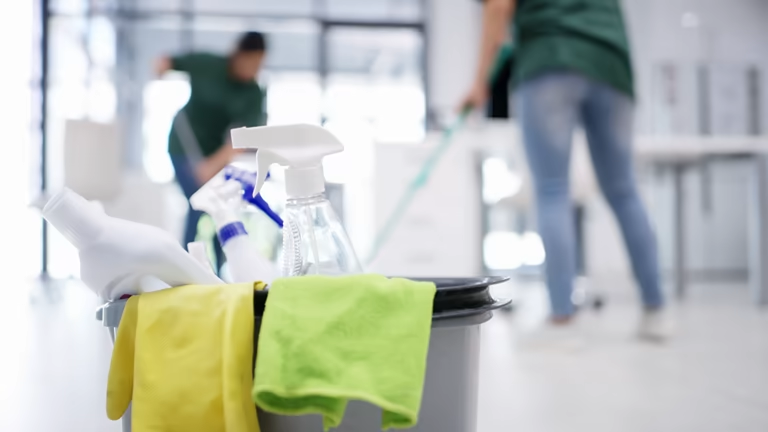
As healthcare delivery becomes more complex and patient populations more vulnerable, healthcare environmental services have evolved into a strategic function. These teams support infection control programs by reducing environmental contamination, supporting clinical workflows, and maintaining environments that meet strict healthcare standards. When properly structured and managed, environmental services act as a frontline defense against healthcare associated infections.
Understanding Healthcare Environmental Services in Medical Settings
Healthcare environmental services refer to the specialized cleaning, disinfection, waste management, and environmental support functions performed within medical facilities. Unlike standard commercial cleaning, healthcare environmental services are designed to support infection prevention and patient safety.
These services are aligned with clinical risk profiles, regulatory standards, and facility specific needs. They focus on areas where pathogens are most likely to persist and spread, including patient rooms, operating rooms, procedure areas, emergency departments, and high traffic public spaces.

Key characteristics of healthcare environmental services include:
- Use of healthcare approved disinfectants and cleaning agents
- Adherence to infection prevention guidelines from organizations such as CDC and CMS
- Structured cleaning frequencies based on risk level
- Detailed documentation and auditing processes
- Integration with infection prevention and clinical leadership
Environmental services teams are trained to understand how pathogens survive on surfaces, how transmission occurs, and how proper cleaning interrupts that cycle.
The Connection Between Environmental Cleanliness and Infection Prevention
Environmental contamination is a well documented contributor to healthcare associated infections. Pathogens such as MRSA, C. difficile, VRE, and respiratory viruses can survive on surfaces for extended periods. When these surfaces are not properly cleaned and disinfected, they become reservoirs for transmission.
Healthcare environmental services strengthen infection prevention by reducing microbial load throughout the facility. Routine and terminal cleaning removes organic matter and pathogens that may otherwise be transferred via hands, equipment, or airflow.
Consistent environmental services practices help:
- Reduce surface level contamination
- Limit cross transmission between patients and staff
- Support hand hygiene effectiveness
- Protect immunocompromised patients
- Reinforce infection prevention protocols
Clean environments also improve staff compliance with infection control measures. When care areas are visibly well maintained, it reinforces a culture of safety and accountability.
High Risk Areas Where Environmental Services Are Critical
Not all areas within a medical facility carry the same infection risk. Healthcare environmental services are structured to prioritize areas based on patient vulnerability, procedure type, and traffic volume.
Patient Rooms and Isolation Areas
Patient rooms are among the highest risk environments for infection transmission. Environmental services teams focus on high touch surfaces such as bed rails, call buttons, overbed tables, door handles, and restroom fixtures. Isolation rooms require enhanced cleaning protocols and strict adherence to personal protective equipment standards.
Operating Rooms and Procedural Suites
Surgical and procedural areas demand precise cleaning and disinfection between cases and at the end of each day. Environmental services teams follow defined terminal cleaning protocols to reduce the risk of surgical site infections. This includes attention to floors, equipment surfaces, lighting, and air vents.
Emergency Departments
Emergency departments experience high patient turnover, unpredictable conditions, and frequent exposure to infectious agents. Healthcare environmental services support infection prevention by maintaining rapid response cleaning, continuous disinfection of high touch areas, and coordination with clinical staff during peak times.
Outpatient Clinics and Ambulatory Centers
While outpatient settings may have lower acuity patients, they still require consistent environmental services to prevent infection spread. Exam rooms, waiting areas, and shared equipment are cleaned according to defined schedules that align with patient flow.
Standardized Cleaning Protocols Support Infection Control
Healthcare environmental services rely on standardized cleaning protocols to ensure consistency and effectiveness. These protocols are developed in alignment with infection prevention guidelines and facility policies.

Standardization supports infection prevention by reducing variability in cleaning outcomes. Every room, surface, and piece of equipment receives the appropriate level of attention based on its risk profile.
Core components of standardized protocols include:
- Defined cleaning sequences to prevent cross contamination
- Correct dwell times for disinfectants
- Color coded tools and equipment
- Checklists for daily and terminal cleaning
- Documentation of completed tasks
When environmental services teams follow structured protocols, infection prevention efforts become measurable and auditable.
Training and Competency in Healthcare Environmental Services
Effective infection prevention depends on properly trained environmental services personnel. Healthcare environmental services require specialized training that goes beyond basic cleaning skills.
Training programs typically cover:
- Infection prevention principles
- Pathogen transmission pathways
- Proper use of disinfectants and equipment
- Personal protective equipment requirements
- Handling of regulated medical waste
- Safety protocols for bloodborne pathogens
Ongoing competency assessments ensure that staff remain aligned with evolving standards and facility expectations. Education also reinforces the importance of environmental services as a clinical support function rather than a purely custodial role.
Well trained teams are more likely to identify risks, follow protocols accurately, and communicate effectively with clinical staff.
📌 Learn More: EVS and the Battle Against Infection
Environmental Services and Healthcare Regulatory Compliance
Regulatory compliance is a critical driver of healthcare environmental services programs. Organizations such as CMS, The Joint Commission, and state health departments evaluate environmental cleanliness as part of their accreditation and inspection processes.

Healthcare environmental services contribute to compliance by:
- Maintaining documentation of cleaning activities
- Supporting infection control risk assessments
- Aligning practices with regulatory guidelines
- Responding to audit findings and corrective actions
Consistent environmental services practices reduce the likelihood of citations related to infection control deficiencies. They also support readiness for unannounced inspections and surveys.
The Role of Environmental Services in Outbreak Prevention and Response
Healthcare environmental services play an essential role during infectious disease outbreaks. Whether responding to seasonal influenza, norovirus, or emerging pathogens, environmental services teams help contain spread within the facility.
During outbreaks, environmental services protocols are often intensified. This may include increased cleaning frequencies, use of enhanced disinfectants, and expanded coverage of high touch areas.
Environmental services teams collaborate with infection prevention leaders to:
- Implement outbreak specific cleaning protocols
- Support isolation and cohorting strategies
- Adjust staffing and workflows as needed
- Monitor environmental hygiene outcomes
Rapid and effective environmental response can significantly reduce the duration and severity of outbreaks.
Technology and Tools Supporting Environmental Hygiene
Modern healthcare environmental services increasingly rely on technology to support infection prevention goals. Advanced tools improve cleaning effectiveness, visibility, and accountability.
Common technologies include:
- Electrostatic spraying for disinfectant application
- UV light disinfection as a supplemental measure
- ATP testing to verify surface cleanliness
- Digital task management and reporting systems
These tools enhance traditional cleaning methods rather than replacing them. When integrated properly, technology supports data driven decision making and continuous improvement in environmental hygiene.
Staffing Models and Consistency in Environmental Services
Staffing stability directly impacts the effectiveness of healthcare environmental services. High turnover and staffing shortages can compromise cleaning consistency and increase infection risk.
Healthcare organizations use various staffing models, including in house teams, hybrid approaches, and fully outsourced environmental services programs. Each model has implications for infection prevention, training consistency, and operational scalability.
Well managed environmental services programs prioritize:
- Adequate staffing levels
- Clear role definitions
- Ongoing education and supervision
- Alignment with infection prevention leadership
Consistency in staffing and supervision supports reliable infection prevention outcomes.
Environmental Services as Part of the Care Team
Healthcare environmental services are most effective when integrated into the broader care team. Collaboration between environmental services, nursing, infection prevention, and facilities management strengthens infection control efforts.

Effective integration includes:
- Clear communication channels
- Shared understanding of infection risks
- Coordination during patient transfers and discharges
- Participation in safety and quality initiatives
When environmental services are recognized as a critical component of patient care, their impact on infection prevention is amplified.
Measuring the Impact of Environmental Services on Infection Rates
Healthcare organizations increasingly track environmental services performance metrics to support infection prevention goals. These metrics provide insight into cleaning effectiveness and areas for improvement.
Common measures include:
- Cleaning compliance audit scores
- ATP testing results
- Infection rate trends
- Patient satisfaction related to cleanliness
- Inspection and survey outcomes
Data driven environmental services programs enable proactive adjustments that support sustained infection prevention success.
Building a Culture of Cleanliness and Safety
Infection prevention is ultimately a cultural commitment. Healthcare environmental services help establish and reinforce that culture through visible, consistent practices.
Clean, well maintained environments send a clear message to patients, visitors, and staff that safety is a priority. This perception supports trust in the facility and confidence in the care being delivered.
Leadership support, clear expectations, and recognition of environmental services contributions all play a role in sustaining this culture.
Opportunities to Explore Related Services
Medical facilities often have unique cleaning and operational needs depending on the type of care provided and the size of the facility. Exploring additional services can help strengthen infection prevention, support regulatory compliance, and create a safer environment for patients and staff.
Expanding your cleaning program can also allow your facility to address specialized areas and high-risk zones with targeted strategies. These services complement standard healthcare cleaning practices and ensure that every part of the facility is properly maintained.

Some of the specialized services facilities often explore include:
- Window Washing
- Floor Scrubbing and Polishing
- Floor Strip and Wax
- Painting and Wall Maintenance
- Carpet Cleaning and Restoration
- Pressure Washing
- Specialty Surface Care
- Ceiling and Light Fixture Cleaning
- Emergency Cleanup Services
Our company offers a full range of healthcare cleaning solutions to meet these and other operational needs. From routine environmental cleaning to specialized medical-grade disinfection, we provide services that support the health and safety of your facility.
📌 Learn More: Your Answer Simplified Guide to Facility Management
Long Term Value of Strong Healthcare Environmental Services Programs
The benefits of effective healthcare environmental services extend beyond infection prevention. Strong programs support operational efficiency, regulatory compliance, staff satisfaction, and patient experience.
By reducing infection risks, environmental services help limit costly complications, extended lengths of stay, and reputational damage. They also support workforce safety by reducing exposure to infectious agents.
Healthcare organizations that invest in structured, well managed environmental services programs position themselves for long term resilience and quality performance.
Conclusion
Healthcare environmental services are a critical pillar of infection prevention in medical facilities. Through standardized protocols, specialized training, and close collaboration with clinical teams, environmental services reduce environmental contamination and support safer care environments.
As infection risks continue to evolve, the role of healthcare environmental services will remain central to protecting patients, staff, and communities. Facilities that prioritize environmental hygiene as part of their infection prevention strategy strengthen their ability to deliver high quality, compliant, and trustworthy care.


