
Commercial concrete is one of the most heavily used surfaces in many business facilities. Parking lots, sidewalks, loading areas, entrances, walkways, curbs, dumpster pads, and other concrete surfaces are exposed to traffic, weather, moisture, deicing materials, and daily wear. When damage begins to appear, commercial concrete repair can help address the underlying problem before a relatively manageable maintenance issue becomes a larger facility concern.

For property managers and facility managers, concrete maintenance is about more than keeping a property looking presentable. Damaged concrete can affect pedestrian safety, vehicle access, drainage, accessibility, and the overall condition of the property. In a market such as Indianapolis and throughout Central Indiana, seasonal temperature changes can make timely maintenance particularly important.
Understanding when concrete needs attention, what causes deterioration, and how repairs should be approached can help commercial property decision-makers make better maintenance decisions. Rather than waiting until a damaged area creates an immediate operational problem, facilities can use proactive commercial concrete repair as part of a broader strategy for protecting the property and maintaining a safe, functional environment.
Why Commercial Concrete Repair Matters for Business Facilities
Concrete is durable, but it is not indestructible. Even properly installed concrete gradually responds to traffic, moisture, temperature fluctuations, and other environmental conditions. Small cracks or surface deterioration may initially appear cosmetic, but they can allow water and other elements to penetrate the surface and contribute to more significant damage over time.
For a commercial facility, the consequences can extend beyond the concrete itself. A damaged sidewalk near an entrance can create a trip hazard for employees, customers, or visitors. Deterioration in a loading area can interfere with carts, equipment, or deliveries. Uneven pavement in a parking area can affect vehicle movement and create an unfavorable first impression for people arriving at the property.
Commercial concrete repair also supports the overall appearance of a facility. Exterior surfaces are often among the first things customers, tenants, employees, and vendors see when they arrive. Cracked, spalled, or uneven concrete can make a well-maintained building appear neglected even when the interior is in good condition.
Common Causes of Concrete Damage
Understanding why concrete deteriorates is an important part of determining the right maintenance approach. Commercial properties experience a combination of factors that can gradually weaken concrete surfaces, and the causes are not always obvious from a visual inspection alone.
Freeze-thaw cycles are particularly relevant to facilities in Indianapolis and Central Indiana. When water enters cracks or porous areas of concrete and temperatures fall below freezing, the water expands as it freezes. Repeated cycles of freezing and thawing can contribute to cracking, scaling, and other forms of deterioration.

Moisture can also create problems when drainage is inadequate. Water that consistently collects around concrete surfaces can increase exposure to damaging conditions and contribute to deterioration around joints, edges, and cracks. Poor drainage may also indicate a larger site-management issue that should be considered when planning repairs.
Heavy traffic is another common factor. Commercial parking areas, loading docks, drive lanes, and service areas may experience substantially more vehicle activity than residential concrete. Repeated loading from cars, trucks, delivery vehicles, and facility equipment can accelerate deterioration, particularly when existing cracks or structural weaknesses are present.
Deicing materials and other chemicals can also affect concrete surfaces. During winter, commercial properties may use salt or other deicing products to maintain safer walking and driving conditions. These materials can contribute to surface deterioration under certain conditions, making proper winter maintenance and post-winter inspections important parts of a facility’s maintenance program.
Construction activity, improper installation, settling, and age can create additional problems. The visible symptom may be a crack, but the underlying cause could involve drainage, movement, loading, or another condition that needs to be considered before determining how the area should be repaired.
Signs Your Facility May Need Concrete Repair
One of the most valuable steps a facility manager can take is learning to identify early warning signs. Concrete damage does not always require immediate emergency work, but it should not automatically be ignored simply because the surface remains usable.
Cracks are one of the most recognizable indicators. Hairline cracks may have limited significance depending on their location and cause, while wider or expanding cracks may indicate a condition that warrants closer evaluation. Cracks around joints, edges, entrances, drainage areas, or high-traffic zones can be especially important to monitor.
Uneven sections are another concern. When one portion of a sidewalk or concrete surface sits higher or lower than the adjacent area, it can create a trip hazard or interfere with normal operations. Settlement may also affect drainage by changing the slope of the surface and creating areas where water collects.
Other signs that may warrant professional attention include:
- Spalling, flaking, or deteriorating surface material
- Crumbling edges or corners
- Exposed aggregate or deteriorating joints
- Pooled water after rain
- Significant changes in elevation between adjacent surfaces
- Damage concentrated around heavily traveled areas
- Cracks that continue to expand or multiply
The location of the damage matters as much as its appearance. A small defect in a low-use area may have different implications from a similar defect directly outside a busy commercial entrance. Facility managers should consider traffic, pedestrian activity, drainage, accessibility, and the potential consequences of further deterioration when prioritizing repairs.
Repair or Replacement: What Should Facilities Consider?
One of the most important decisions in commercial concrete maintenance is determining whether a damaged area can be repaired or whether replacement is more appropriate. There is no single answer for every property because the right approach depends on the condition, extent, location, and underlying cause of the damage.
Repair may be appropriate when deterioration is localized and the surrounding concrete remains structurally sound. Addressing a limited problem can help restore functionality without disturbing a larger area than necessary. For commercial facilities, this can be especially useful when work needs to be completed with minimal disruption to employees, customers, tenants, or daily operations.

Replacement may become more appropriate when damage is extensive or when the existing concrete has deteriorated beyond practical repair. Repeated repairs to the same area can also indicate that the underlying problem has not been resolved. In those situations, simply addressing the visible defect may provide only a temporary solution.
Facility managers should also consider how the surface is being used. A pedestrian walkway, loading area, parking lot, and equipment access route each have different demands. The repair strategy should account for expected traffic and use rather than focusing solely on the current appearance of the damaged section.
Cost should be part of the decision, but it should not be the only factor. A lower-cost repair that fails to address an underlying issue may create additional maintenance expenses later. Conversely, replacing a large area when a targeted repair would adequately address the problem may not be the most efficient use of a facility’s maintenance budget.
A professional assessment can help clarify the options. The goal is to understand what is causing the deterioration, what level of intervention is appropriate, and how the work fits into the property’s broader maintenance needs.
Planning Commercial Concrete Repair Around Facility Operations
Commercial properties rarely have the luxury of shutting down an area indefinitely for maintenance. Concrete repair often needs to be coordinated around business hours, pedestrian traffic, deliveries, tenant activity, parking availability, and other operational requirements.
That makes scheduling an important part of the project. A facility manager may need to determine whether work can be completed in phases, whether a walkway or parking section needs temporary closure, and how employees and visitors will move through the property while repairs are underway.
Communication is equally important. Employees, tenants, vendors, and other building users may need advance notice of temporary access changes. For properties with multiple businesses or high visitor traffic, clear communication can reduce confusion and help maintain safe traffic patterns during the project.
The timing of commercial concrete repair can also affect how efficiently a facility addresses maintenance. For example, a property manager may identify several areas of deterioration during a post-winter inspection and choose to coordinate related repairs rather than addressing each issue independently. Grouping appropriate work can simplify scheduling and provide a more comprehensive view of the property’s exterior maintenance needs.
A broader facility services approach can be valuable here. Concrete does not exist independently from the rest of a commercial property. Drainage, landscaping, parking lot maintenance, snow and ice management, exterior cleaning, and other services can all influence the condition and usability of exterior spaces.
By considering concrete repair as part of the property’s overall maintenance strategy, facility managers can make decisions based not only on what is visibly damaged today, but also on how the property needs to perform over time.
Choosing the Right Approach for Commercial Concrete Repair
Once a facility has identified concrete damage and determined that repair is appropriate, the next step is selecting an approach that addresses the condition without creating unnecessary disruption. The right method depends on the type of damage, the condition of the surrounding concrete, the location of the repair, and how the surface is used.
For example, a localized crack may require a different solution than a section with significant surface deterioration or movement. Likewise, repairs in a pedestrian walkway may have different requirements than repairs in a loading area that regularly accommodates heavy commercial vehicles. The objective is not simply to make the damaged area look better. A successful commercial concrete repair should restore the surface’s intended function and address the conditions contributing to deterioration.
Property managers should also look beyond the immediate repair. If water is consistently reaching the damaged area, if a section has settled, or if traffic patterns are contributing to recurring deterioration, those factors should be considered as part of the project. Otherwise, the same problem may return after the repair is completed.
A professional assessment can help determine the appropriate scope of work. This allows facility decision-makers to distinguish between maintenance that can be handled with a targeted repair and conditions that may require more extensive corrective work.
How Weather Affects Concrete Maintenance in Central Indiana
Weather is an important consideration when planning commercial concrete repair, particularly in Central Indiana. Indianapolis facilities experience seasonal changes that can place considerable stress on exterior concrete, including freezing temperatures, precipitation, snow and ice, and repeated freeze-thaw cycles.
Winter conditions can expose existing weaknesses in concrete. Water can enter cracks and other openings, freeze, expand, and contribute to further deterioration. When temperatures fluctuate repeatedly, small defects can become more noticeable and potentially more difficult to address.
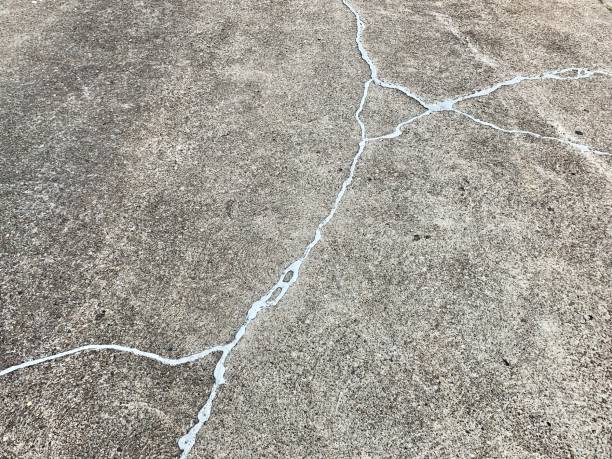
Spring is therefore an important time for facility managers to inspect exterior concrete. Areas that appeared manageable before winter may show additional cracking, surface deterioration, settlement, or damage after months of exposure. Identifying those issues early gives property managers an opportunity to schedule repairs before they interfere with higher-traffic periods.
Summer and fall maintenance also have a role. Warmer months may provide opportunities to complete planned exterior work, while fall inspections can help identify areas that should be addressed before the next winter season. The specific timing of any repair should be determined based on the material, project requirements, weather conditions, and recommendations from the service professional performing the work.
For commercial properties in Indianapolis, a seasonal inspection routine can make concrete maintenance more predictable. Instead of responding only when a problem becomes visible to employees or customers, facility teams can incorporate concrete condition checks into their broader preventive maintenance schedule.
Prioritizing Concrete Repairs Across a Commercial Property
Not every concrete issue requires the same level of urgency. When a property has multiple damaged areas, facility managers need a practical way to determine which repairs should happen first.
Safety should generally be a primary consideration. Damage affecting pedestrian walkways, entrances, accessible routes, or areas with substantial foot traffic may warrant prompt attention. A deteriorated surface in a busy loading or service area may also deserve priority because of the equipment and vehicle activity taking place there.
Operational impact is another useful consideration. If damaged concrete is interfering with deliveries, parking, carts, equipment, or access to a facility, repairing the area may prevent a small maintenance issue from becoming an operational problem.
Facility managers can also evaluate issues according to factors such as:
- Severity and rate of deterioration
- Pedestrian and vehicle traffic
- Drainage or moisture concerns
- Accessibility considerations
- Potential impact on customers or tenants
- Seasonal weather exposure
- Likelihood of additional deterioration
- Available maintenance budget and project timing
This type of prioritization helps property managers make informed decisions rather than treating every defect as equally urgent. It can also make conversations with ownership, finance teams, and other stakeholders more productive because the recommended work is tied to specific facility needs.
A documented inspection process can be particularly helpful for properties with large parking areas, multiple buildings, or extensive exterior spaces. Photographs, locations, observations, and repair recommendations can create a useful record for tracking conditions over time and planning future maintenance.
Commercial Concrete Repair and the Overall Customer Experience
The condition of a commercial property communicates something about the organization operating inside it. Customers may never think consciously about a sidewalk, parking area, or concrete entrance when everything is in good condition. When those surfaces are cracked, uneven, stained, or deteriorating, however, the condition can become noticeable.
For office buildings, retail properties, medical facilities, schools, industrial sites, and other commercial environments, exterior maintenance contributes to the experience people have when they arrive. A clean, functional entrance and well-maintained pedestrian areas create a more professional environment for employees, customers, visitors, and tenants.

Concrete repair can also support consistency across a larger exterior maintenance program. For example, a facility may coordinate concrete repairs with parking lot maintenance, exterior cleaning, landscaping, or other site improvements. Addressing multiple maintenance needs strategically can help the property present a more cohesive appearance instead of having individual areas maintained on completely different schedules.
The value goes beyond aesthetics. Safe, accessible, functional exterior areas support the day-to-day experience of the people using the facility. For property managers responsible for customer-facing locations, that combination of appearance and functionality is an important part of maintaining the property.
Commercial concrete repair should therefore be viewed as one component of the overall facility environment. The goal is to maintain a property that works as intended while also presenting a condition that reflects the standards of the business.
Building Concrete Maintenance Into Preventive Facility Management
The most effective concrete maintenance strategy is not based entirely on reacting to visible damage. Preventive facility management creates opportunities to identify deterioration earlier, plan repairs more strategically, and reduce the likelihood of unexpected disruptions.
A practical approach starts with regular visual inspections. Facility teams can pay particular attention to high-traffic areas, entrances, sidewalks, loading zones, drainage points, curbs, and surfaces exposed to heavy equipment or vehicles. Inspections should also follow significant weather events or seasonal changes when appropriate.
Documentation makes those inspections more useful. Recording the location and condition of damaged areas allows facility managers to compare conditions over time and determine whether a defect is stable or progressing. It also provides useful information when developing maintenance budgets and requesting project approvals.
For larger commercial properties, this approach can become part of a recurring facility condition assessment. Concrete can be evaluated alongside other exterior systems and maintenance needs, allowing the property team to create a more coordinated plan for the coming months and years.
That planning is particularly valuable when budgets are limited. A facility manager who knows which areas are deteriorating can prioritize spending based on risk and operational importance rather than waiting for an emergency to dictate the schedule.
Creating Long-Term Value Through Proactive Concrete Maintenance
Commercial concrete repair is most effective when it is viewed as an investment in the ongoing performance of a property rather than a one-time cosmetic improvement. Concrete surfaces support essential functions throughout commercial facilities, from pedestrian access and parking to deliveries, loading operations, and building entrances.
When deterioration is identified early, property managers have more flexibility in determining how and when to address it. They can evaluate the condition, consider the operational impact, coordinate scheduling, and incorporate the work into a larger maintenance plan. This is generally more manageable than waiting until a damaged area becomes an urgent safety or operational concern.
Long-term maintenance also requires attention to the conditions surrounding the concrete. Drainage, traffic, winter weather, site use, and other factors can all influence how well repairs perform. Addressing those considerations helps facility teams make decisions based on the property’s actual needs rather than relying on a one-size-fits-all approach.
For businesses in Indianapolis and throughout Central Indiana, proactive planning can be especially valuable because exterior surfaces must withstand changing seasonal conditions. Regular inspections and timely maintenance can help facilities remain functional and presentable throughout the year.
Ultimately, commercial concrete repair is one piece of a larger facility management strategy. When it is coordinated with other professional facility services, property managers can take a more comprehensive approach to maintaining the building and grounds. The result is a property that is safer, more functional, better maintained, and better prepared for the demands of daily business operations.
Related Services to Explore
Commercial concrete repair is one important part of maintaining a safe, attractive, and functional commercial property. Keeping sidewalks in excellent condition is even more effective when combined with other exterior maintenance services that protect your entire property. Partnering with a single facility services provider streamlines communication, simplifies scheduling, and helps ensure every aspect of your exterior is maintained to the same high standard.

Some complementary services include:
- Parking Lot Repair and Maintenance: Address asphalt deterioration, potholes, crack filling, sealcoating, and parking lot striping to create a safer, more professional exterior from the parking lot to the front entrance.
- Snow and Ice Management: Reduce slip and fall risks during winter by keeping sidewalks, entrances, and walkways clear of snow and ice with proactive snow removal and deicing services.
- Pressure Washing: Remove dirt, algae, stains, and debris from sidewalks, curbs, building entrances, and other hard surfaces to improve curb appeal and help extend the life of exterior materials.
- Landscaping and Grounds Care: Well-maintained landscaping complements repaired sidewalks by preventing overgrown vegetation, minimizing root-related damage, and creating a clean, welcoming environment for visitors and tenants.
- Exterior Building Maintenance: Services such as window cleaning, façade cleaning, and exterior repairs help create a polished first impression while protecting your property’s long-term value.
By combining concrete sidewalk repair with a comprehensive exterior maintenance program, facility managers can improve safety, enhance curb appeal, reduce long-term maintenance costs, and deliver a better experience for employees, tenants, and visitors alike.
Conclusion
Commercial concrete repair plays an important role in maintaining safe, functional, and professional business facilities. Cracks, settlement, spalling, deteriorating joints, and other forms of damage should be evaluated based on their severity, location, cause, and potential impact on the people and operations using the property.
For property and facility managers, the best approach is proactive. Regular inspections, thoughtful prioritization, appropriate repair strategies, and consideration of seasonal conditions can help prevent manageable maintenance issues from becoming larger problems. In Central Indiana, where concrete is exposed to significant seasonal weather changes, this type of planning is particularly important.
Professional facility services can make that process easier by helping businesses coordinate concrete maintenance with the many other services required to keep a commercial property operating at its best. With the right strategy and the right service partner, commercial concrete repair becomes more than a response to visible damage. It becomes part of a proactive facility maintenance program designed to protect the property, support daily operations, and create exceptional results for the people who use it.


